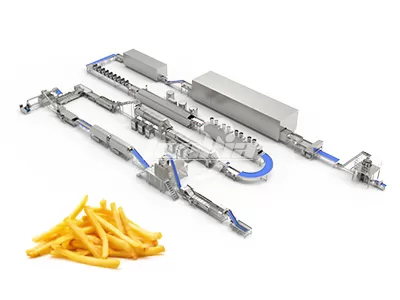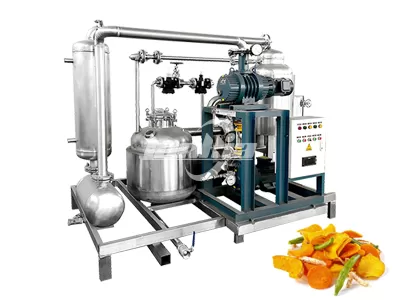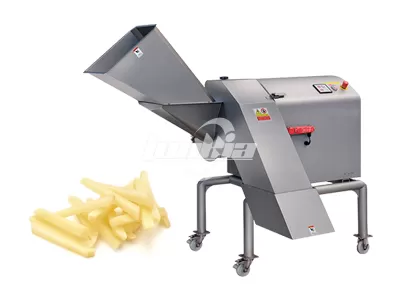
The actual output of a frozen French fry production line depends not only on the processing capacity of individual pieces of equipment but is also closely related to the coordination between each processing stage. From potato washing, peeling, and cutting into strips to blanching, dehydration, frying, and quick-freezing, each stage requires a reasonable balance of production capacity. If a single piece of equipment operates too slowly, it can lead to material backlogs and delays for downstream equipment, thereby disrupting the continuous operation of the entire frozen French fries line. Therefore, when planning a frozen French fries line, it is essential to consider the overall processing workflow and configure each piece of equipment appropriately.
Determining Target Output and Calculating Raw Material Processing Requirements
Before selecting potato processing equipment, it is first necessary to determine the target finished product output per hour. For example, if a customer plans to produce 500 kg of frozen French fries per hour, they must calculate the required raw material input by factoring in potato peeling loss, cutting loss, and the actual yield during processing.
At the same time, daily operating hours, equipment efficiency, and product specifications should also be considered. Raw material throughput should not be equated directly with final finished product output; otherwise, it is easy to encounter issues with insufficient production capacity allocation.
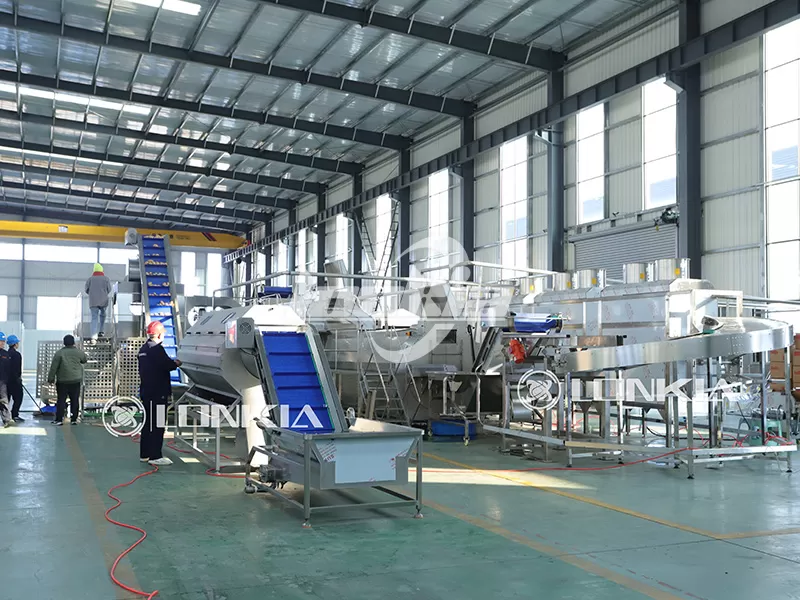
Optimizing the Processing Capacities of Equipment Across Each Production Stage
1. Washing, Peeling, and Cutting Equipment
Washing and peeling equipment must meet the raw material supply requirements of the upstream process. Steam peelers use high-temperature, high-pressure steam to soften the potato skin, while brush peelers utilize rotating brush rollers to wash and peel the potatoes. Customers should select appropriate equipment based on the characteristics of the raw materials, peeling effectiveness, and target output.
The French fries cutting machine must maintain a stable connection with the upstream equipment while ensuring uniform French fry size and thickness, thereby preventing material backlog caused by insufficient cutting speed.
2. Blanching and Dehydration Equipment
The processing capacity of the blanching machine must be determined based on French fry thickness, blanching temperature, and dwell time. If the equipment's conveyor speed is too fast, it may result in insufficient blanching; if too slow, it will affect overall production efficiency.
After blanching, the fries must pass through a dehydrator and air dryer to remove surface moisture, preparing them for subsequent frying. Therefore, the dehydration equipment must also support continuous feeding.
3. Frying and Quick-Freezing Equipment
The continuous fryer is a critical piece of equipment that affects the entire frozen French fries line's production capacity; its heating capacity and conveyor speed must be appropriately configured based on feed rate, frying temperature, and dwell time.
After frying, the French fries undergo oil drainage before entering the quick-freezer. The conveyor speed, freezing capacity, and feed thickness of the quick-freezer must match the output of the preceding processes to ensure thorough freezing and minimize issues such as sticking and uneven freezing.
How to Avoid Production Bottlenecks on the Line?
The actual production capacity of the entire frozen French fries line is typically limited by the process with the lowest throughput. For example, if the cutter can continuously supply material but the fryer’s processing speed is insufficient, material is likely to accumulate in the middle of the line.
Therefore, equipment selection should not be based solely on the rated output of individual machines; it must also consider continuous operating capacity, conveyor speed, and buffer transitions between equipment. By properly configuring conveyors, storage units, and automatic control systems, equipment downtime can be reduced, and the overall line efficiency improved.
Customizing Production Line Configurations Based on Factory Requirements
Since raw material conditions, french fry specifications, target output, and factory layouts vary among customers, production lines must be adjusted accordingly. LONKIA can provide automatic French fries production line configuration solutions ranging from 300 kg/h to 2 metric tons/h based on customer needs, and design layouts that integrate processing workflows, equipment parameters, and available factory space.
Before requesting a quote, we recommend that customers provide the following information:
- Target finished product output and raw material input;
- Specifications of the potato raw material and French fry cutting dimensions;
- Daily operating hours and production shifts;
- Available factory floor space and equipment layout requirements;
- Required processing steps and level of automation.
This information helps suppliers accurately assess the processing capacity of each stage and develop a reasonable equipment configuration plan.
Conclusion
Properly matching the processing capacity of each stage is a critical foundation for ensuring the continuous operation of a frozen French fries line. From washing and peeling to cutting, blanching, frying, and quick-freezing, each piece of equipment must coordinate seamlessly with the preceding and subsequent stages. When selecting a production line, special attention should be paid to the actual production capacity of the frozen French fries line, equipment integration, and product processing requirements. Only through scientific equipment configuration can production bottlenecks be minimized, product quality be ensured, and overall production efficiency be improved.