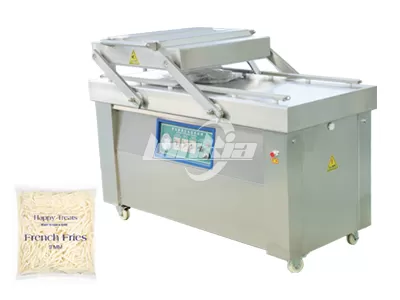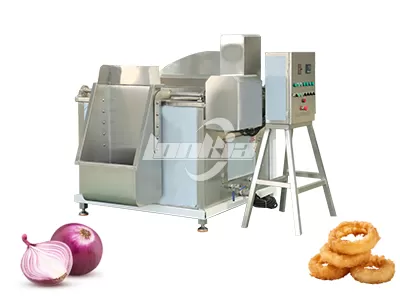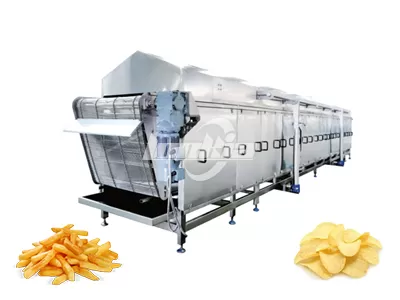
The arrival of a continuous deep fryer at the factory does not mean it can be put into continuous production immediately. Conducting equipment inspections, verifying installation conditions, and preparing process parameters before formal commissioning can minimize issues during trial runs and help operators identify the optimal operating parameters for the product more quickly. For continuous fryers equipped with digital temperature control and an adjustable conveyor system, commissioning focuses primarily on four aspects: heating, conveying, oil circulation, and actual frying results.
Confirm Equipment Installation Conditions Before Commissioning
Check Equipment Location and Production Line Connections
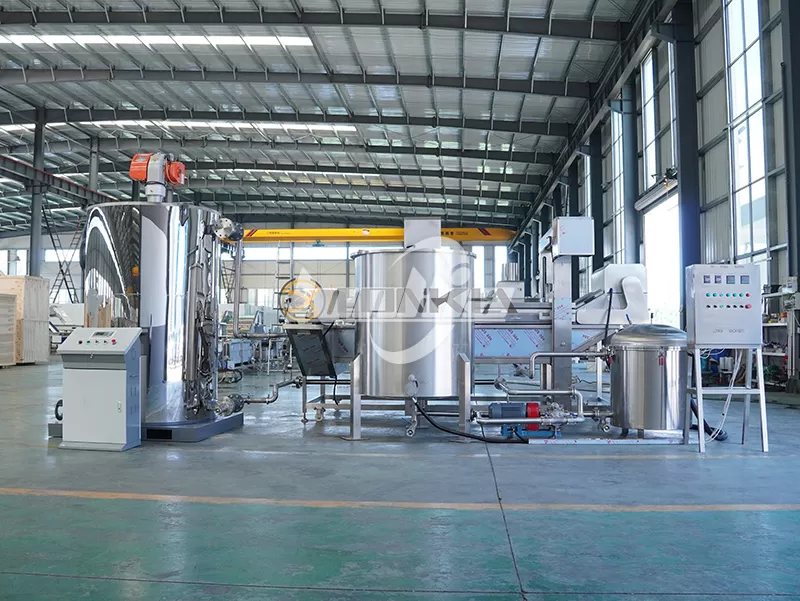
After installation, first verify that the continuous deep fryer is positioned according to the manufacturer's layout specifications and that the feed and discharge ends can seamlessly connect with the preceding and following equipment. If the continuous fryer is being integrated into an existing production line, also check the conveyor height, feed speed, and discharge direction to prevent material buildup or unstable feeding during formal operation.
Verify Electrical and Heating Conditions
Based on the continuous food fryers configuration, verify that the power supply, voltage, frequency, and heating method meet requirements. Simultaneously, inspect the control cabinet, temperature sensors, and safety devices. Continuous fryers with different configurations may use heating methods such as electricity, diesel, or natural gas; actual connections should follow the equipment's technical documentation.
Conduct an Empty-Machine Test Run
Before adding cooking oil and products, it is recommended to perform an empty-machine test run first. Start the conveyor system and observe whether the mesh belt runs smoothly, checking for any abnormal noises or jamming, and verify that the speed control function operates normally.
Next, inspect the temperature control system to confirm that the set temperature and actual temperature feedback are functioning correctly. The operating temperature and conveyor speed of the continuous deep fryer directly affect the product's dwell time in the oil; therefore, this step is a crucial foundation for subsequent test frying. Relevant equipment features digital temperature control ranging from 0–200°C and supports conveyor speed adjustment from 0–15 m/min.

Preparing Parameters for the First Test Fry
Determining Basic Parameters Based on Product Characteristics
Before the test fry, clearly define the product type, slice or shape dimensions, feed rate, and target color and texture. Do not directly apply parameters from other products; instead, begin testing with a relatively stable feed rate and a reasonable temperature.
Gradually Adjust Temperature and Conveyor Speed
During test frying, focus on observing the product's color, doneness, crispness, and oil content. If the product does not meet requirements, adjust the oil temperature or conveyor speed based on actual conditions. The LONKIA continuous deep fryer uses a continuous conveyor system and maintains relatively stable frying conditions through temperature control and conveyor speed adjustment.
Check Oil Circulation and Filtration Performance
Before starting continuous production, confirm that the oil circulation and filtration systems are operating normally. If debris generated during frying accumulates continuously, it may affect oil quality and product appearance. Therefore, during commissioning, observe whether the filtration system is functioning properly and check that the oil lines are unobstructed.
After completing several rounds of test frying, it is recommended to record the temperature, conveyor speed, feed rate, and product results to establish baseline process parameters suitable for the current product.
Transitioning from Trial Runs to Full-Scale Production
Once the continuous deep fryer is operating stably, temperature control is normal, the conveyor system is running smoothly, and the product meets expectations, gradually increase production to the target capacity. Do not judge actual production capacity based solely on the equipment's theoretical capacity; instead, comprehensively evaluate factors such as raw material characteristics, upstream feeding capacity, and downstream oil-draining, cooling, and packaging equipment to ensure proper coordination.
A standardized commissioning process enables continuous fryers to reach a stable production state more quickly. LONKIA can provide appropriate equipment configuration and integration recommendations based on product characteristics, production capacity requirements, and production line layout, helping customers seamlessly transition from equipment installation to actual production.