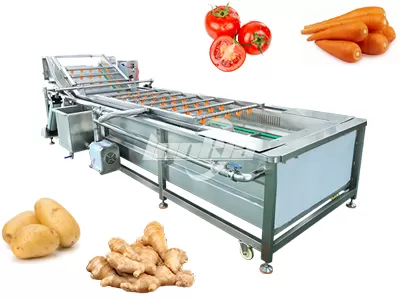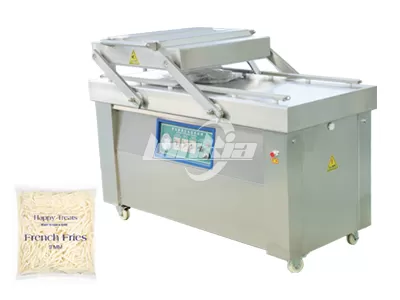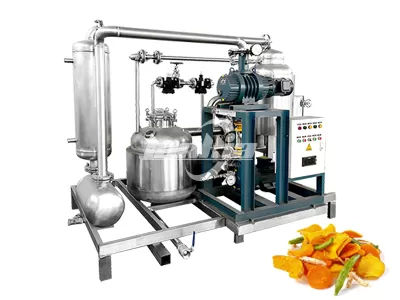
On food processing production lines, the quality of a bubble washing machine's installation directly affects cleaning effectiveness and equipment stability. If installed improperly, issues such as uneven bubble distribution, abnormal water flow, or poor material conveyance may arise, thereby impacting the efficiency of the entire cleaning line.
Proper installation and commissioning not only ensure that the equipment reaches its designed production capacity but also reduce long-term maintenance costs, enabling the equipment to operate stably over the long term.
Preparations Before Equipment Installation
Before installing the bubble washing machine, the following key conditions must be confirmed:
- Site Space Planning: Ensure there is sufficient space at both the feed and discharge ends of the equipment to facilitate connections with upstream and downstream equipment (such as elevators and cutters).
- Water Supply and Drainage System: The equipment requires a stable water supply, and the drainage system must remain unobstructed to ensure that wastewater is quickly discharged after cleaning.
- Power Supply Configuration: Bubble washing machines typically operate on industrial power; verify voltage compatibility in advance to prevent the equipment from failing to start properly.
Detailed Installation Steps for the Bubble Washing Machine
- Equipment Positioning and Leveling: First, place the equipment on a level surface and use a spirit level to adjust the machine body, ensuring the washing tank remains level. This step is critical, as it directly affects the material's movement path within the tank.
- Connecting Inlet and Drain Pipes: Connect the inlet pipe to the washing tank's inlet and the drain outlet to the wastewater treatment system. It is recommended to use detachable connectors to facilitate future maintenance and cleaning.
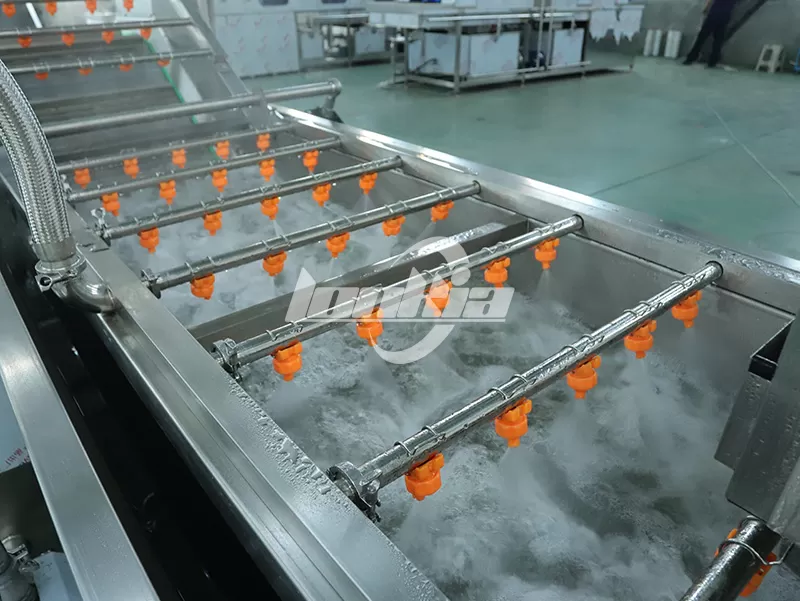
- Installing the Bubble Generation System: The bubble system is the core component of the equipment, generating a large volume of bubbles via a bottom-mounted blower. During installation, ensure that the air tubes are free of kinks and blockages, as these can otherwise affect cleaning intensity.
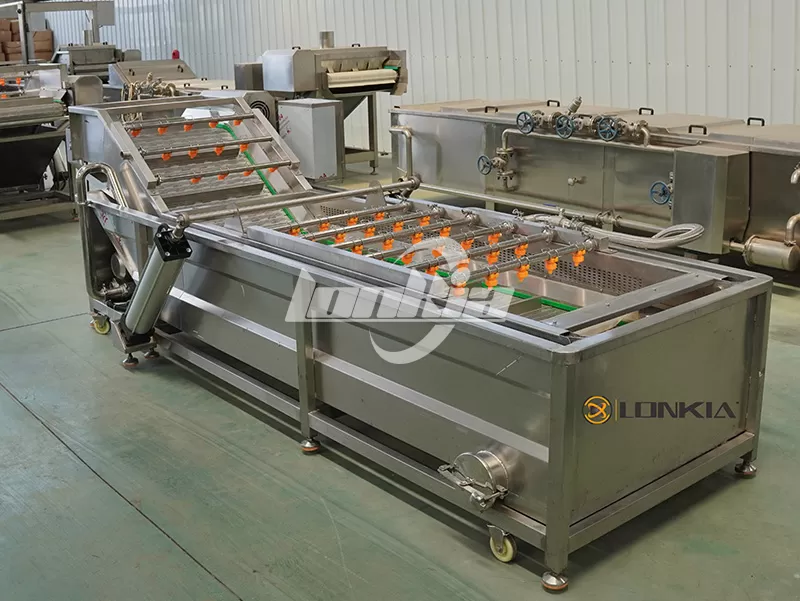
Equipment Commissioning Process
- No-Load Test: Start the equipment without loading any produce and observe whether the water circulation and bubble distribution are uniform.
- Bubble Intensity Adjustment: Adjust the bubble intensity according to the type of produce (leafy greens/root vegetables) to prevent damage caused by excessive force leading to produce collisions.
- Conveyor Speed Adjustment: Adjust the conveyor belt speed to ensure the produce remains in the washing tank long enough to achieve optimal cleaning results.
Common Installation Issues and Solutions
1. Uneven Bubble Distribution
Possible Cause: Insufficient air pump pressure or clogged air holes
Solution: Inspect the air pump and air tubing system
2. Inadequate Cleaning of Produce
Possible Cause: Insufficient water flow or too short a dwell time
Solution: Adjust the water pump flow rate or reduce the conveyor belt speed
3. Excessive Operating Noise
Possible Cause: Equipment not level or loose components
Solution: Re-level the equipment and tighten structural components
Practical Benefits of Proper Installation
A properly installed bubble cleaning machine can achieve:
- More uniform and stable cleaning results
- Reduced manual intervention and increased automation
- Lower equipment failure rate
- Improved operational efficiency of the entire food processing line
In practical applications, many food processing plants have seen a marked improvement in cleaning efficiency and a significant reduction in maintenance frequency after completing standard installation.
Conclusion
The installation and commissioning of a bubble washing machine is not merely a matter of positioning the equipment; it is a critical step that directly impacts production efficiency. Proper installation allows the equipment to perform to its full potential and ensures stable and reliable cleaning quality.
LONKIA provides comprehensive bubble washing solutions for the food processing industry. From equipment design to installation guidance, we help customers quickly begin production and maintain stable operations.