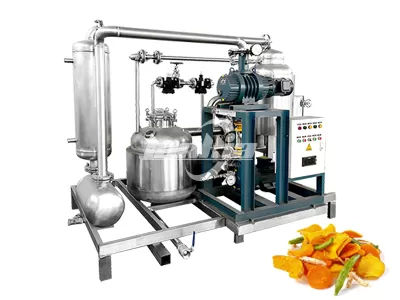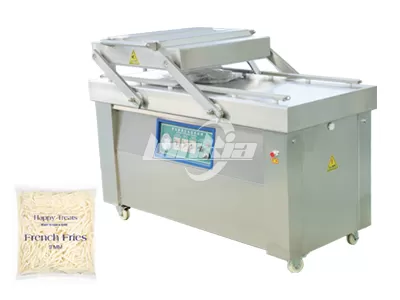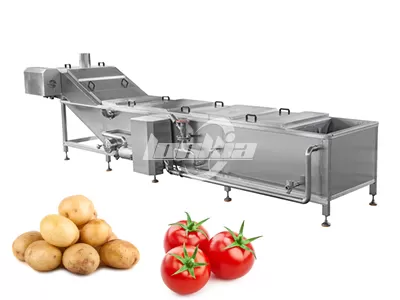
In the plantain processing workflow, peeling is a critical step that affects both the quality of the final product and production efficiency. For food processing companies producing products such as plantain chips, frozen plantains, and fried plantains, traditional manual peeling methods struggle to meet the demands of continuous production and often result in issues such as inconsistent peeling speeds, high labor costs, and raw material waste. Therefore, selecting the right plantain peeling solution is a crucial step in improving processing efficiency. Industrial steam peeling technology rapidly softens the skin using high-temperature steam, separating the peel from the flesh and providing a stable raw material processing solution for subsequent slicing, frying, and packaging operations.
Why Does Plantain Processing Require Specialized Peeling Equipment?
Compared to regular bananas, plantains have thicker, tougher skins, and the difficulty of peeling varies depending on the level of ripeness. Manual peeling not only limits processing speed but also risks damaging the flesh due to variations in operator technique.
In commercial processing, customers typically focus on three key issues:
- How to maintain consistent peeling results?
- How to minimize flesh loss?
- How to ensure the peeling process is compatible with downstream production equipment?
Industrial plantain peeling machines are specifically designed to address these challenges. By utilizing mechanized processing methods, they improve the efficiency of raw material pretreatment and make the entire production process more stable.
Introduction to the Industrial Plantain Peeling Process
A complete plantain processing workflow typically begins with raw material handling and is configured according to the requirements of the final product:
- Raw Material Washing: Before fresh plantains enter processing, surface impurities must be removed to ensure a more stable peeling process.
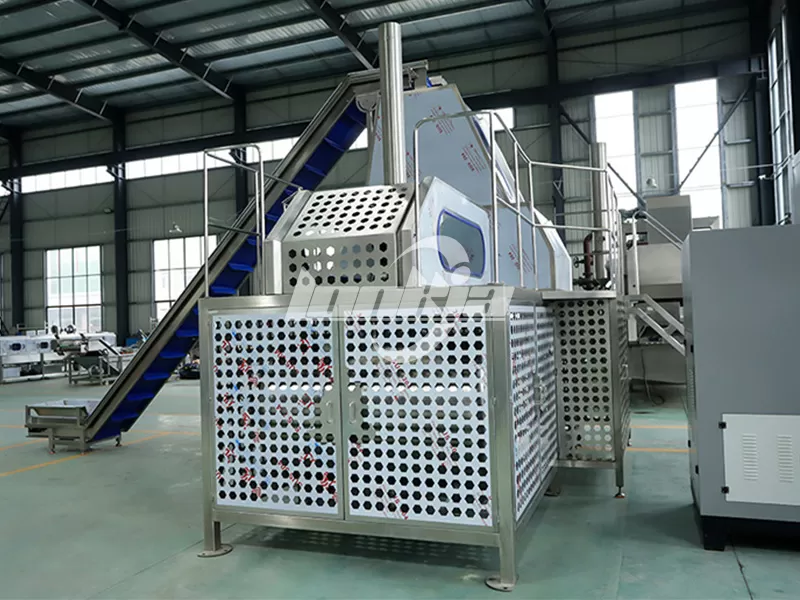
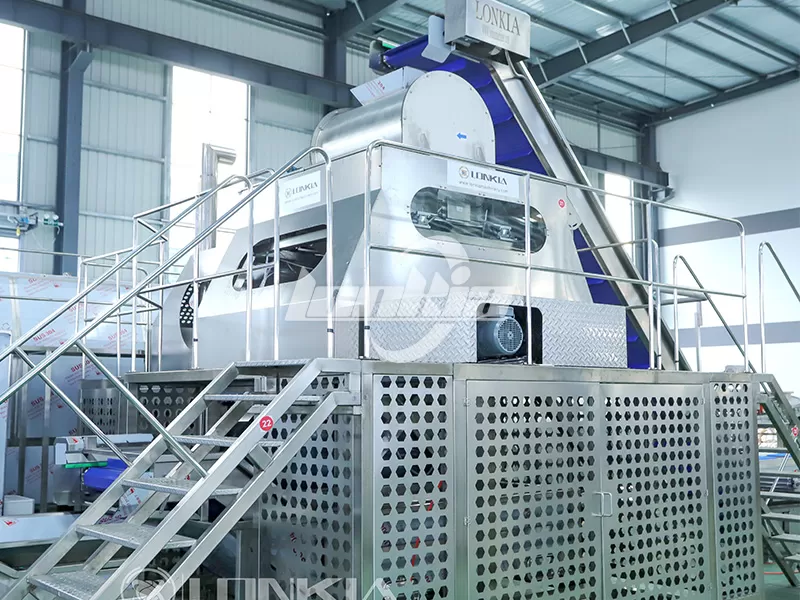
- Steam Peeling: The washed plantains are fed into the steam peeler. The equipment applies high-temperature, high-pressure steam to the skin, rapidly softening it and using pressure changes to separate the peel from the flesh. By controlling temperature, pressure, and processing time, the steam peeler can adapt to the characteristics of different raw materials and improve peeling consistency.
- Removal of Residual Skin: Some processing lines are equipped with auxiliary cleaning devices to remove any residual skin from the surface, making the peeled plantains better suited for subsequent slicing or further processing.
- Subsequent Product Processing: Once peeled, the plantains can proceed to slicing, frying, freezing, or packaging processes to produce various types of plantain-based foods.
How Does the Steam Peeler Help Improve Plantain Processing Efficiency?
For food processing companies, peeling equipment must ensure the continuity of the entire production process.
The Lonkia steam peeling machine uses steam treatment and, through its stable structure and adjustable parameters, helps customers achieve more uniform peeling results. Manufactured from food-grade stainless steel, the equipment is suitable for processing a wide variety of fruits and vegetables and can be integrated into production lines according to customers' specific product requirements.
Compared to traditional manual methods, the advantages of industrial peeling equipment are primarily reflected in:
- A more stable peeling process that reduces variations caused by human error;
- Suitability for continuous production processes;
- Reduced waste during raw material processing;
- Ease of integration with equipment for washing, slicing, frying, and other operations.
How to Choose the Right Plantain Peeling Equipment?
Before purchasing a plantain peeling machine, customers should carefully consider several key factors:
- Raw Material Characteristics: Plantains of different varieties and ripeness levels vary in skin thickness and hardness, requiring testing to determine the appropriate steam parameters.
- Product type: For plantain chip production, attention must be paid to the integrity of the peeled raw material and the subsequent slicing results; for frozen products, consideration must be given to the integration with the processing workflow.
- Production line configuration: The peeling equipment must be properly integrated with upstream and downstream machines—such as washers, slicers, and fryers—to ensure the smooth operation of the entire production line.
Conclusion
Plantain processing is not merely a simple removal of the outer peel, but a critical step that affects product quality, processing efficiency, and production stability. By properly configuring steam peeling machines, food processing companies can establish a more stable plantain pretreatment process, providing high-quality raw materials for subsequent product processing.
Lonkia specializes in the research and development of food processing equipment and can provide professional peeling equipment solutions tailored to customers' plantain processing needs, helping them optimize the entire processing workflow from raw material handling to finished product production.