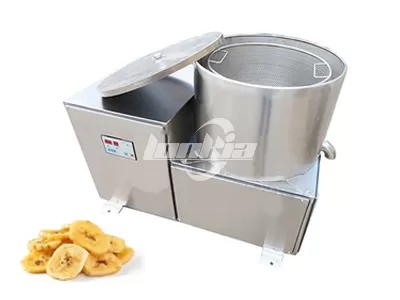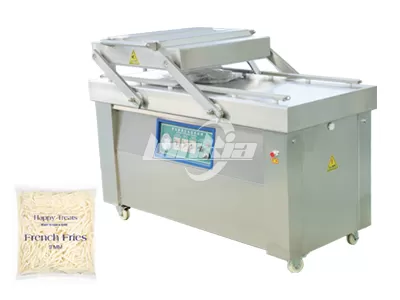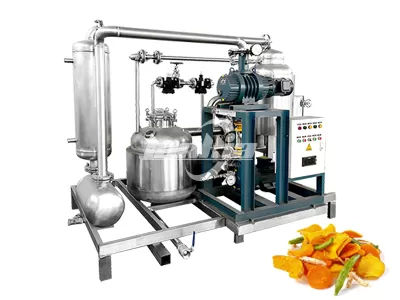
With the continued growth of the frozen food industry, frozen vegetable processing lines have become essential equipment in the field of vegetable processing. Given the varying needs of different countries and customers, standardized configurations often fail to meet actual production requirements. As a result, customized production line solutions have become key to helping companies improve efficiency and enhance product competitiveness.
Basic Structure and Process of a Frozen Vegetable Processing Line
A complete frozen vegetable processing line typically consists of multiple functional modules that form a continuous automated production process:
Raw Material Pre-processing → Washing → Cutting → Blanching → Cooling → IQF Freezing → Packaging
Each stage directly impacts the final product quality, making the compatibility and seamless integration of equipment particularly crucial. A well-designed frozen fruit and vegetable processing line not only improves efficiency but also effectively reduces waste.
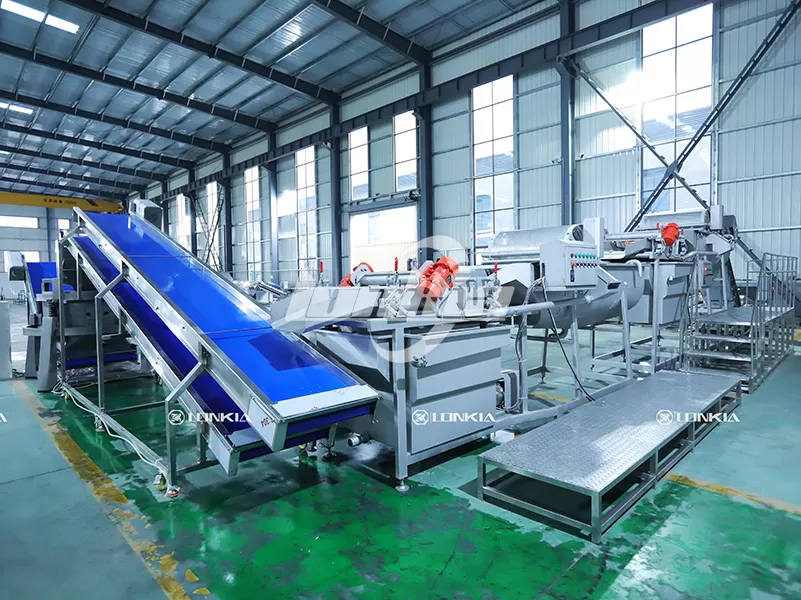
Core Equipment Configuration and Customization Focus
1. Washing and Cutting Systems
Washing equipment must be specifically configured for different vegetable types:
- Bubble washers: Suitable for leafy vegetables to remove impurities
- Tumbler or brush washers: Suitable for root and stem vegetables
Cutting equipment must be customized according to product specifications to ensure uniform sizing, which facilitates subsequent quick-freezing.
2. Blanching and Cooling System
Blanching is a critical process in the frozen vegetable processing line that must not be overlooked. Its primary functions include:
- Inhibiting enzyme activity
- Maintaining color stability
- Improving product texture
By precisely controlling time and temperature, optimal processing results can be achieved for different vegetables. The cooling system then rapidly lowers the temperature to prevent quality degradation caused by overheating.
3. IQF Quick-Freezing System
The IQF freezing equipment is the core component of the entire production line. It uses low-temperature, high-speed airflow to achieve rapid individual freezing, ensuring the product remains loose and free of clumping.
Common configurations include:
- Fluidized-bed freezer: Suitable for granular products
- Tunnel-type Freezer: Suitable for block-shaped or cut vegetables
Properly matching freezing parameters (air velocity, temperature, conveyor speed) can significantly improve freezing efficiency and product quality.
Production Line Design and Layout Optimization
A well-designed frozen vegetable processing line layout can significantly improve production efficiency. Key considerations during design include:
- Smooth equipment integration to minimize manual intervention
- Clear material flow paths to prevent cross-contamination
- Efficient space utilization for easy maintenance and future expansion
A modular structure not only facilitates installation but also provides room for future capacity upgrades.
Equipment Materials and Manufacturing Standards
High-quality production lines typically use food-grade stainless steel, which offers the following advantages:
- Corrosion resistance, suitable for humid environments
- Easy to clean, meeting food processing requirements
- Structural stability, extending service life
Detailed equipment design (such as welding techniques and drainage structures) also directly impacts the overall user experience.
How to Select the Right Frozen Vegetable Processing Line?
When selecting frozen vegetable and fruit processing equipment, customers are advised to focus on the following factors:
- Raw material types and product forms
- Target production capacity and production pace
- Required level of automation
- Capability for future maintenance and expansion
Choosing a manufacturer capable of providing comprehensive solutions can effectively reduce communication costs and improve project implementation efficiency. As a professional food processing equipment supplier, Lonkia can provide customized frozen vegetable processing line configurations based on different market needs, helping customers achieve stable and efficient production goals.
Summary
The customization of a frozen vegetable processing line extends beyond equipment selection to encompass the systematic integration and optimized design of the entire production line.
Through scientific configuration and rational layout, enterprises can:
- Improve product quality consistency
- Optimize production efficiency
- Reduce long-term operating costs
For enterprises looking to enter or upgrade their operations in the frozen vegetable processing sector, selecting the right customized solution will be a critical step toward achieving sustainable development.