In the food processing industry, vacuum fryers are gradually becoming core equipment for the production of high-end snack foods. When inquiring about these machines, many customers are most concerned about the following questions: Is the equipment design sound? Does it operate reliably? Is it easy to maintain?
This article will provide an in-depth analysis of the core components of vacuum frying machines to help you make a more informed purchasing decision.
Overall Structure of a Vacuum Fryer
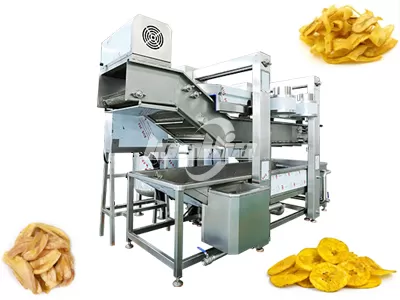
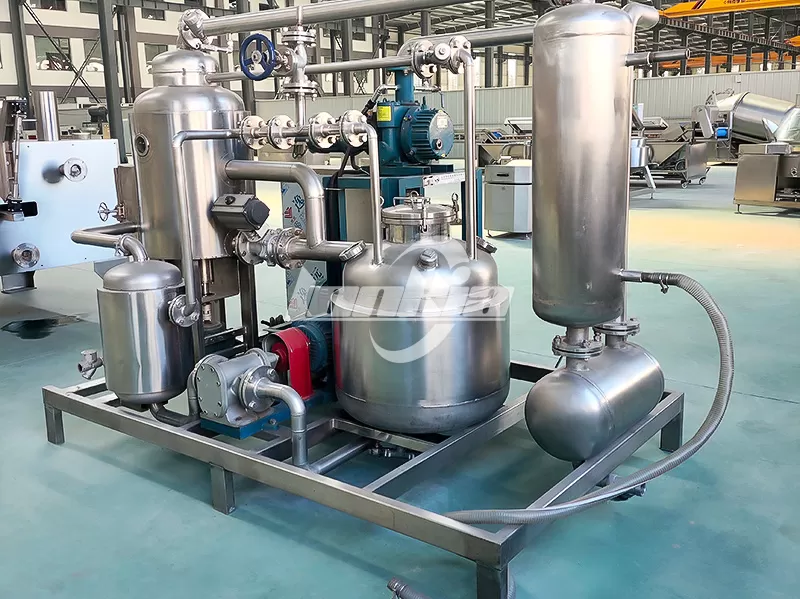
A mature vacuum fryer is not a single piece of equipment but an integrated system, primarily consisting of the following major modules:
- Vacuum frying chamber
- Vacuum system (vacuum pump)
- Condensation system
- Heating and oil circulation system
- Oil drainage system
- Control system
These systems work together to achieve low-temperature, high-quality frying.
👉 For Customers:
- A single vacuum frying machine handles multiple processes, reducing labor and time costs
- A more integrated structure means more efficient use of space, simpler operation, and lower failure rates
Detailed Explanation of the Vacuum Frying Machine's Core Components
1. Vacuum Frying Chamber (Core Working Area)
The vacuum frying chamber is the heart of the entire system. It is typically a sealed structure designed to create a low-pressure environment.
- It is equipped with an oil heating system and a product basket
- Supports automatic lifting to complete frying and unloading
- Ensures a tight seal to maintain a stable vacuum
Under low-pressure conditions, moisture evaporates more easily, resulting in a crispy texture.
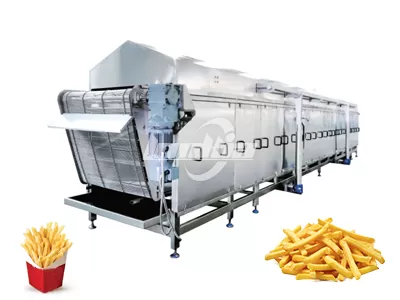
For French fries production lines and potato chips manufacturing plants:
✔ More natural product color
✔ Crispier, less greasy finished products
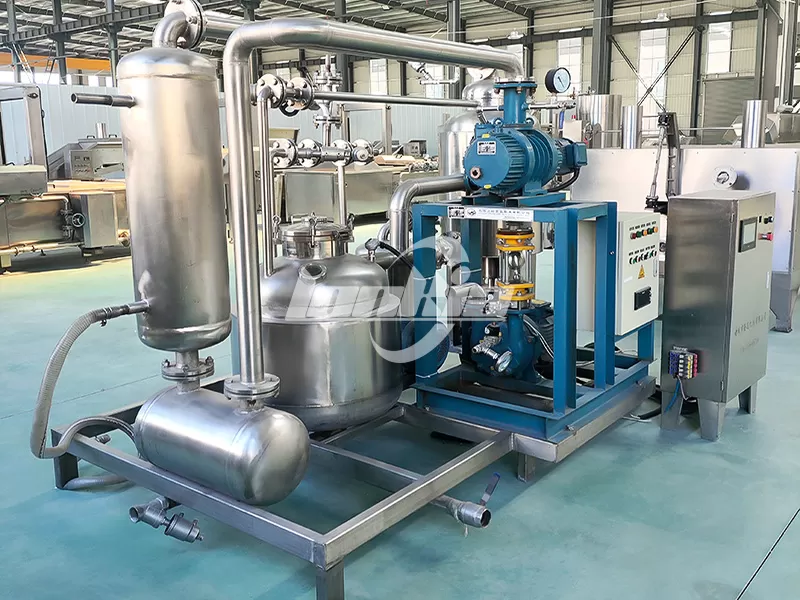
2. Vacuum System (Vacuum Pump)
The vacuum system includes:
- Vacuum pump
- Sealing system
- Piping and valves
This system is responsible for maintaining a stable negative pressure (typically around 0.08–0.095 MPa).
If the vacuum is unstable, the following issues may occur:
- Darker product color
- Increased oil content
- Deteriorated texture
👉 Therefore, when selecting a vacuum frying machine, customers should focus on:
Vacuum pump quality and sealing performance
3. Condensation System
The condenser is used to handle water vapor generated during the frying process.
- Condenses vapor into water
- Prevents it from entering the vacuum pump
- Improves system stability
👉 Common Issues:
No condensation system → Reduced vacuum pump lifespan, high maintenance costs
4. Heating System
Common heating methods:
- Electric heating
- Thermal oil heating
High-quality continuous vacuum fryer machine features efficient heat transfer designs to ensure uniform and stable oil temperature
Customer Focus:
✔ Fast heating speed
✔ Precise temperature control
✔ Lower energy consumption
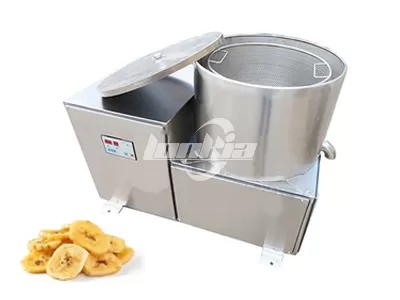
5. De-oiling System (Centrifugal Unit)
After frying, surface oils are removed via centrifugal de-oiling.
- Variable-frequency speed control
- Improves de-oiling efficiency
- Controls final oil content (typically below 15%)
👉 Key Benefits:
Directly enhances product appeal (low-oil, healthy food)
6. Control System (PLC or Automatic Control)
Modern vacuum fryers typically utilize automatic control systems:
- Automatic temperature adjustment
- Real-time vacuum level monitoring
- One-touch operation
👉 Benefits for Customers:
Reduced manual intervention → Improved production consistency
Advantages of Integrated Design
High-quality equipment typically features an integrated design that combines functions such as frying, oil removal, and filtration:
1. Improved Product Quality
- Preserves color and flavor
- Enhanced crispiness
2. Cost Control
- Reduced oil consumption
- Reduced labor
3. Production Stability
- Automated control minimizes human error
- Consistent batch quality
How to Assess Equipment Quality Based on Its Structure?
When selecting a vacuum fryer, we recommend focusing on:
- Stability of the vacuum system
- Equipped with a high-efficiency condensation system
- Comprehensive oil circulation and filtration
- Automated control system
- Integrated overall structure
👉 These factors directly impact:
Product quality + Equipment lifespan + Return on investment
Summary
A vacuum fryer is not merely a frying machine, but a highly integrated food processing system. Its core competitiveness stems from:
- A stable vacuum structure
- Comprehensive system-level design
- Precise automated control capabilities
For customers looking to enter the high-end fruit and vegetable chip or healthy snack market, selecting equipment with a well-designed structure is crucial. Equipment suppliers like Lonkia can provide structurally optimized solutions tailored to production needs, helping customers enhance product value while ensuring stable production.