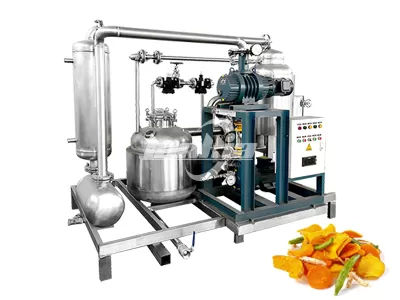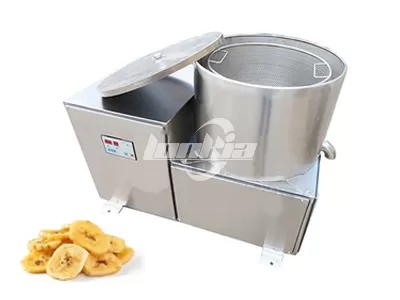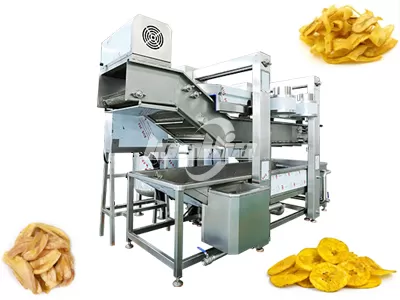
With the growing demand for frozen and fresh French fries, an increasing number of food processing companies are paying close attention to the quality of automatic French fry makers. For French fry processing plants, a set of stable, efficient, and durable equipment not only affects production efficiency but also directly impacts the taste, consistency, and long-term operating costs of the product.
When purchasing French fries making equipment, many customers' primary concerns include: whether the fries are cut uniformly, whether the equipment is prone to breakdowns, whether frying results are consistent, and whether maintenance is complicated. Therefore, selecting a high-quality automatic French fry maker has become a key priority for many food companies.
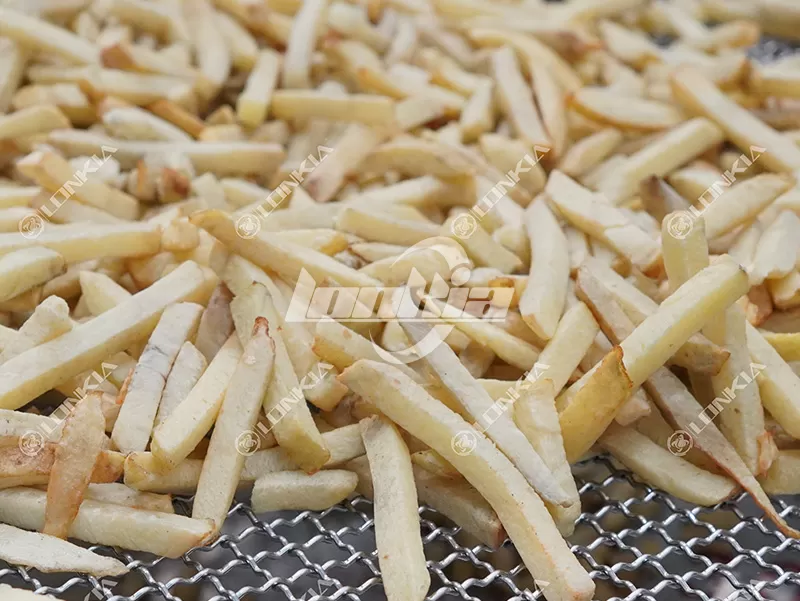
A Stable Cutting System Determines the Quality of the Finished French Fries
During the French fry processing, the cutting results directly impact subsequent blanching, frying, and freezing processes. If the fries are of uneven thickness, issues such as inconsistent frying color, high breakage rates, or poor texture are likely to occur.
High-quality automatic French fry makers typically employ high-speed cutting systems that ensure uniform fry dimensions, reducing breakage and raw material waste. High-quality blade sets also maintain consistent cutting performance over extended periods, reducing downtime caused by frequent blade replacements.
For food processing plants, consistent cutting not only enhances product appearance but also enables more standardized packaging.
Precise Temperature Control Systems Affect French Fry Texture
Many customers encounter issues such as darkened fries, excessive oil content, or undercooked interiors during production; the root cause often lies in unstable frying temperatures.
High-quality automatic French fry makers are typically equipped with automatic temperature control systems that precisely regulate blanching and frying temperatures, ensuring even heat distribution. The continuous frying structure also maintains stable operation during the frying process, thereby enhancing crispiness and color consistency.
A stable temperature control system not only improves product quality but also minimizes the impact of oil temperature fluctuations on production.
Oil Circulation and Filtration Systems Reduce Operating Costs
For French fry processing companies, frying oil consumption represents a significant long-term expense. If equipment lacks comprehensive oil circulation and filtration capabilities, the oil is prone to carbonization and darkening, which in turn affects the color and texture of the fries.
High-quality automatic French fry makers are typically equipped with automatic oil circulation systems and multi-stage filtration devices that promptly remove fry residue, maintaining oil cleanliness. This not only extends the service life of the frying oil but also reduces long-term production costs.
At the same time, a stable frying environment helps improve the overall quality of the fries, resulting in a more natural and uniform color.
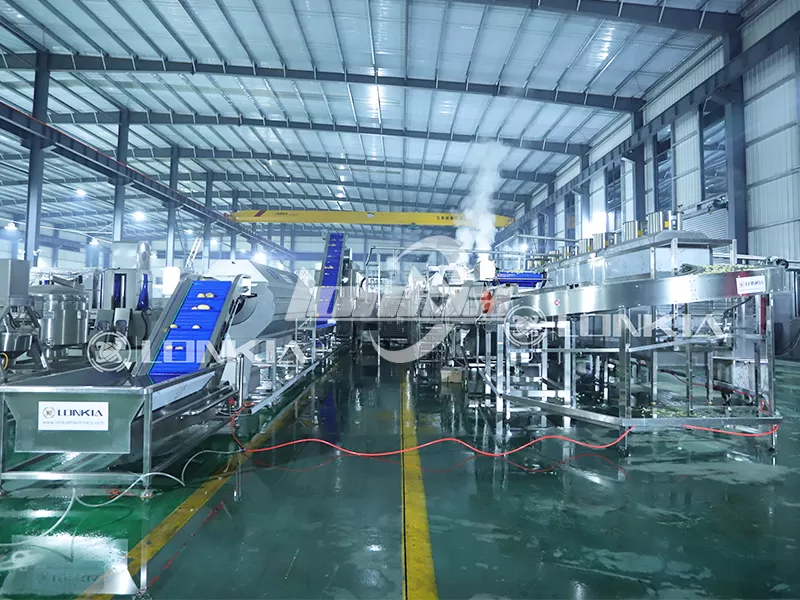
Food-Grade Stainless Steel Construction for Greater Durability
The material of the equipment directly impacts food safety and the machine's service life. Currently, most high-quality potato fries making machines are manufactured using SUS304 food-grade stainless steel, which is corrosion-resistant, heat-resistant, and easy to clean.
Compared to ordinary materials, stainless steel equipment is better suited for long-term continuous production, effectively reducing issues such as rust and deformation. Additionally, a well-designed internal structure facilitates daily cleaning and minimizes hygiene dead zones.
Manufacturers specializing in food processing equipment, such as Lonkia, typically place greater emphasis on welding techniques, conveyor structures, and equipment details, thereby enhancing overall operational stability.
Automated Systems Boost Production Efficiency
As labor costs continue to rise, an increasing number of French fries processing plants are prioritizing automated production. Traditional manual operations are not only less efficient but also tend to compromise product consistency.
High-quality automatic French fry makers typically enable continuous production processes—including automatic conveying, blanching, frying, and oil-draining—significantly reducing the need for manual intervention. PLC control systems also allow customers to adjust process parameters more conveniently, improving the overall line efficiency.
For food companies seeking long-term, stable production, higher levels of automation lead to more stable equipment operation and make it easier to maintain consistent product quality.
Comprehensive After-Sales Service Is Equally Important
Many customers tend to overlook after-sales support when purchasing equipment, but in reality, post-installation commissioning, technical training, and process guidance all impact the equipment's performance.
Professional manufacturers typically provide complete production line solutions, including equipment layout recommendations, operator training, and ongoing maintenance support, helping customers start production faster and ensure stable operations.
For companies planning to operate a long-term French fry processing business, a high-quality automatic French fry maker can not only improve product quality but also help the factory establish a more stable and efficient production system.