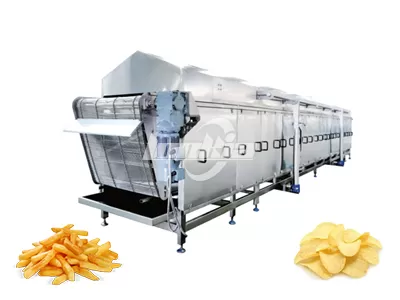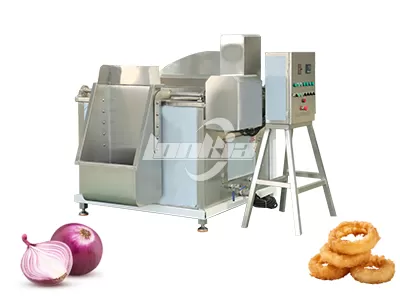
In the food processing industry, continuous deep fryers are key equipment for achieving continuous, high-efficiency production. However, during long-term operation, improper operation or maintenance can easily lead to various issues that affect both output and quality. This article provides a systematic analysis of common faults and corresponding solutions to help users improve production stability and equipment utilization.
Unstable Oil Temperature: Impact on Product Consistency
Oil temperature control is central to the operation of continuous fryers. Significant temperature fluctuations can result in uneven product color and noticeable variations in texture.
Common Causes:
- Insensitive response of the temperature control system
- Decreased efficiency of the heating system
- Uneven oil circulation
Optimization Recommendations:
- Regularly calibrate temperature control system parameters
- Inspect the operational status of heating elements
- Ensure the oil circulation system remains unobstructed
Stable temperature control is the foundation for ensuring consistent continuous production.
Oil Deterioration: Increased Costs and Quality Risks
In continuous production, the oil's service life directly impacts costs and food quality. If the oil quality deteriorates, issues such as darkening, foaming, and off-odors may arise.
Cause Analysis:
- Accumulation of food residue
- Inefficient filtration system
- Unreasonable oil change intervals
Solutions:
- Install a high-efficiency oil filtration system
- Regularly remove impurities from the oil tank
- Schedule oil changes appropriately
Optimizing the oil management system can effectively reduce operating costs and extend the oil's service life.
Unstable Conveyor System: Impact on Production Continuity
Continuous deep fryers rely on conveyor belts to achieve uniform frying; any conveyor malfunction can lead to product buildup or uneven heating.
Common Issues:
- Raw material accumulation or floating
- Conveyor belt misalignment
- Unsmooth product discharge
Solutions:
- Control raw material size and moisture content
- Check conveyor belt tension
- Regularly clean the conveying system
A well-designed conveying system (e.g., double-layer mesh belts) can effectively prevent product floating.
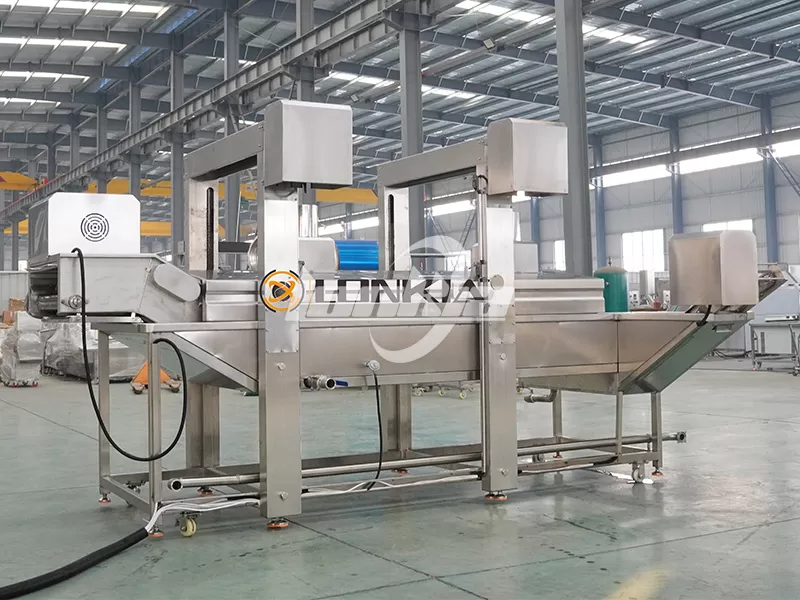
Oil Circulation and Filtration System Failures
The oil circulation system directly affects heat distribution and oil quality stability, making it a critical component of continuous fryers.
Symptoms:
- Excessively high local oil temperatures
- Slow oil flow
- Uneven product frying
Optimization Measures:
- Regularly inspect the operating status of circulation pumps
- Clean filtration lines
- Replace filtration media
A well-designed oil circulation system can improve overall frying efficiency.
Abnormal Noise or Vibration in Equipment
If abnormal noises or vibrations occur during equipment operation, it typically indicates a problem with mechanical components.
Common Causes:
- Worn bearings
- Loose transmission system
- Lack of lubrication
Solutions:
- Regularly lubricate key components
- Inspect and tighten connections
- Replace worn parts promptly
Proactive maintenance can effectively prevent sudden equipment shutdowns.
Abnormal Equipment Startup or Operational Interruptions
Failure to start the food frying equipment or operational interruptions directly impact production schedules.
Possible Causes:
- Electrical control system failure
- Heating system malfunction
- Triggering of safety protection devices
Recommended Measures:
- Inspect the power supply and control system
- Verify that the heating system is functioning properly
- Troubleshoot safety protection settings
A well-designed control system can improve equipment operational reliability.
How to Improve the Operational Stability of Continuous Fryers?
To minimize the occurrence of failures, we recommend optimizing the following areas:
- Establish standardized equipment maintenance procedures
- Conduct regular inspections of critical systems (temperature control, conveying, filtration)
- Schedule production loads appropriately
- Select equipment with proven designs and stable performance
For example, the Lonkia continuous deep fryer is designed with a focus on oil circulation efficiency and temperature control stability, while also prioritizing ease of cleaning and maintenance. It maintains stable performance in continuous production environments and is suitable for a wide range of food processing needs.
Conclusion
Most common issues with continuous deep fryers stem from temperature control, the oil system, and the conveyor structure. Through scientific maintenance management and appropriate equipment configuration, it is possible not only to reduce failure rates but also to significantly improve production efficiency and product quality.
For food processing companies, gaining a deep understanding of the operational mechanisms of continuous deep fryers and promptly addressing potential issues is key to achieving stable production and long-term profitability.