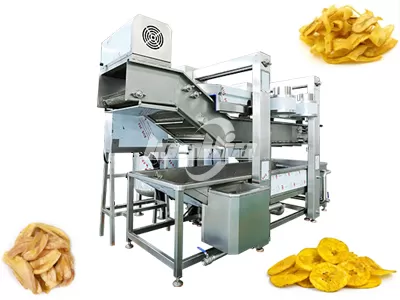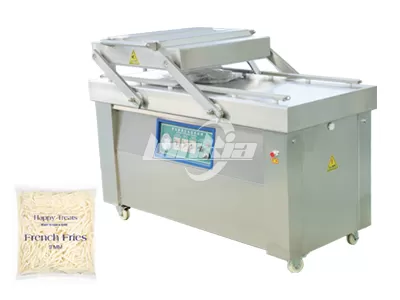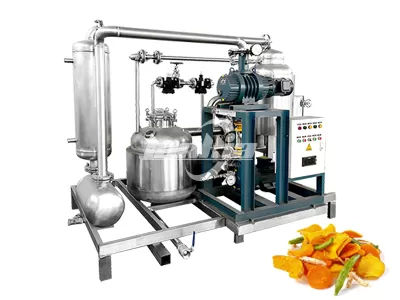
In the commercial production of plantain chips, the type of raw material, ripeness, and moisture content directly impact frying efficiency and final product quality. To achieve consistent color, uniform thickness, and uniform crispness, understanding how different raw materials perform in the plantain fryer is crucial. The following information will help buyers make more informed choices about raw materials and achieve optimal production capacity and product consistency when using the continuous fryer.
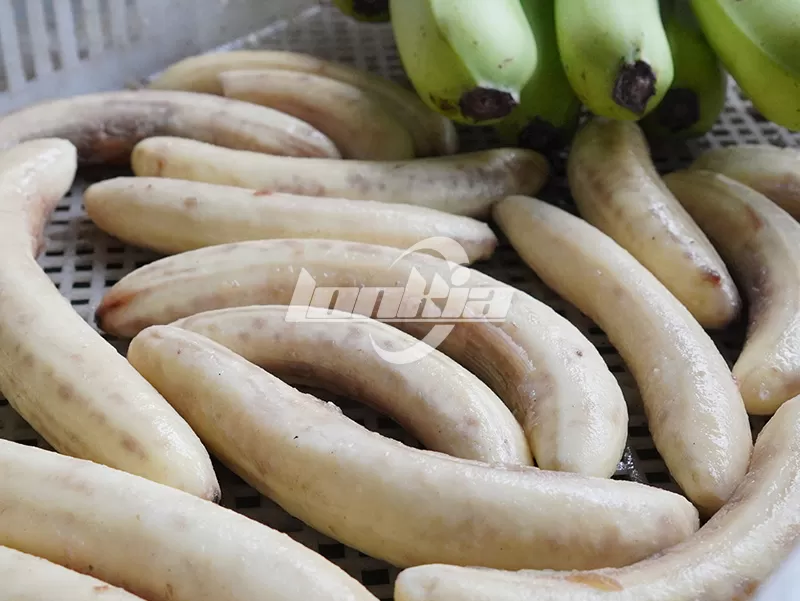
Plantain vs. Banana: Impact on Frying Results
Plantains, with their high starch content and denser fiber structure, maintain shape better during frying and resist breakage. This makes them widely preferred for commercial plantain chips production. In contrast, regular bananas have higher sugar content, making them prone to scorching during frying. They are better suited for flavored banana chips rather than large-scale production.
When using a plantain chips frying machine:
- Plantains are better suited for continuous production, yielding stable color and more intact shapes post-frying.
- Regular bananas require more precise temperature control, especially when sugar content is high, necessitating lower temperatures and shorter frying times.
Impact of Plantain Ripeness on Frying Temperature and Time
In production, varying ripeness levels directly influence frying parameter settings.
- Underripe Raw Material (Green or Semi-ripe)
Low moisture content and dense fiber structure require higher temperatures and a more stable oil circulation system to maintain golden color and crispness.
- Ripe Raw Material (Yellowish)
High sugar content facilitates browning, necessitating plantain fryers with precise temperature control systems to prevent excessive caramelization.
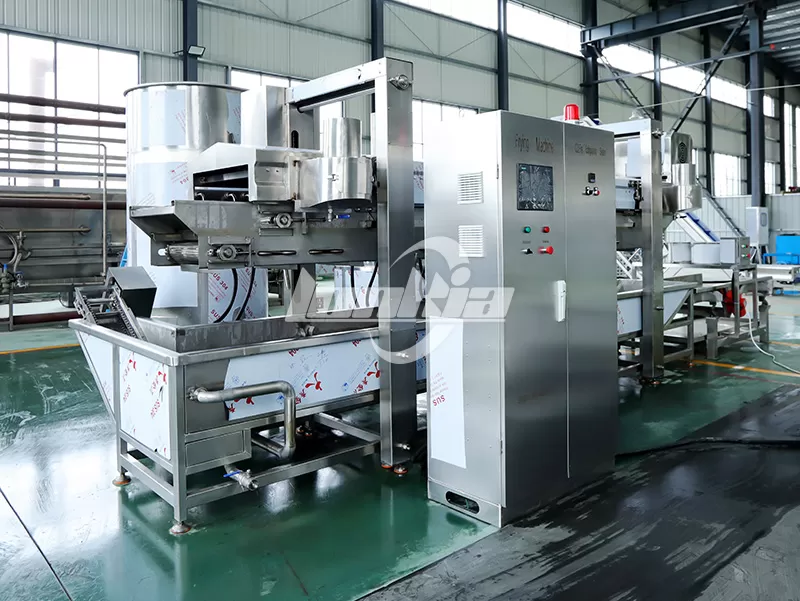
Banana chips fryers like Lonkia's incorporate precision temperature control modules that enable automatic temperature adjustment, helping customers achieve consistent results when processing materials of varying ripeness.
Slicing Thickness and Moisture Content Impact Production Capacity
Slicing thickness is a key factor affecting frying efficiency:
- Thick slices → Extended frying time, reduced output
- Thin slices → Prone to breakage, requiring fryers with uniform oil circulation and stable conveyor speeds
Plantains with varying moisture content impact frying load. For instance, bananas with higher moisture content generate excessive bubbles upon oil immersion. Therefore, the plantain fryer must incorporate a rapid oil circulation system and automatic residue removal design to ensure production stability and safety.
How to Adjust Plantain Fryer Parameters Based on Raw Material Type?
To achieve optimal results in the plantain chips frying machine, manufacturers are advised to focus on the following settings according to different raw materials:
- Oil temperature setting (based on sugar and starch content)
- Conveyor belt speed (controls frying duration)
- Oil circulation intensity (maintains even heating)
- Filter system efficiency (reduces oil contamination from raw material debris)
Professional fryers like Lonkia's plantain fryer adapt to diverse raw material characteristics through adjustable belt speed control, automatic temperature regulation, and high-efficiency oil circulation, simplifying process adjustments during actual production.
Conclusion
Raw material type, ripeness, slice thickness, and moisture content all influence the frying results of plantain fryers. Understanding these factors helps businesses achieve more stable product quality control, increase production capacity, and reduce production losses. Selecting equipment with precise temperature control and a stable oil circulation system is essential for consistently producing high-quality plantain chips under varying raw material conditions.