For clients preparing to establish a frozen French fries processing plant, selecting the appropriate frozen French fries making machine is the first step towards achieving efficient production and high-quality products. A superior production line not only enhances product consistency but also enables businesses to enter the market and increase profits rapidly. This guide provides clear reference points covering process flow, equipment composition, and key selection criteria.
What is a Frozen French Fries Production Line?
A frozen French fries production line is an automated system designed to process raw potatoes into frozen French fries suitable for long-term storage and transport. The integrated line encompasses key stages including washing → cutting → blanching → frying → freezing → packaging, ensuring the final product exhibits consistent colour, texture, and quality standards.
Compared to standalone machines, a complete frozen French fries line offers advantages such as continuous operation, stable quality, and reduced labour intensity, making it suitable for food processing plants and frozen food manufacturers.
Primary Frozen French Fries Making Machines and Functions
Understanding each unit's role aids in assessing whether the frozen French fries production line meets your factory requirements:
- 1. Washing and Peeling System: Thoroughly removes surface soil and impurities from potatoes while automatically peeling them, preparing the tubers for subsequent processing.
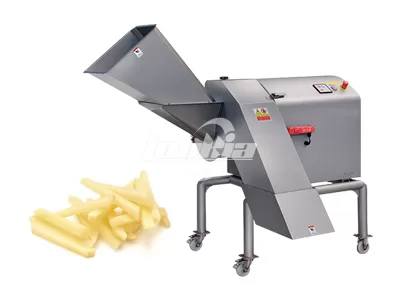
- 2. Cutting Machine: Precisely slices washed potatoes into uniform strips. Consistency in strip size directly impacts product texture and subsequent processing efficiency.
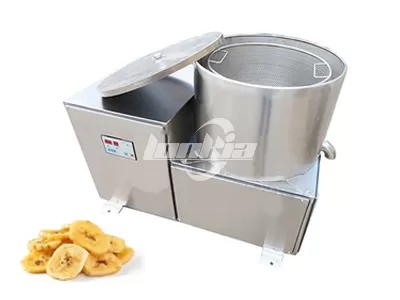
- 3. Blanching and Dehydration Equipment: Removes excess starch through hot water blanching, minimises oxidation, and establishes a stable foundation for frying. Post-blanching dehydration reduces surface moisture, enhancing frying results.
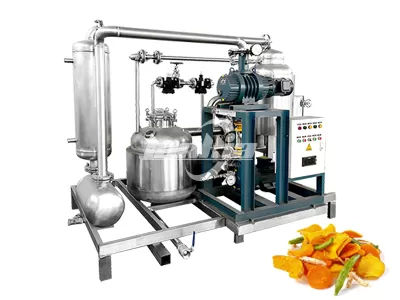
- 4. Continuous Fryer: Controls temperature and conveyor speed to achieve uniform frying, forming the critical stage for developing French fry appearance and texture.
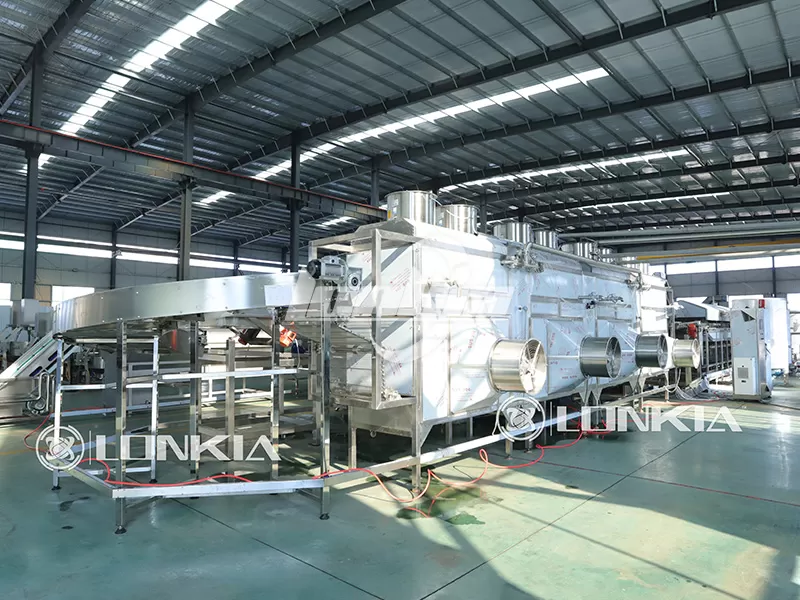
- 5. Cooling and Quick-Freezing System (IQF): Rapidly lowers fries' temperature, freezing products to target core temperatures within minimal timeframes. Prevents clumping and enhances packaging efficiency.
- 6. Packaging Equipment (Optional): Select automated bagging systems based on market requirements, suitable for wholesale or retail packaging standards.
Essential Pre-Purchase Considerations
Capacity Alignment and Investment Budget
Determine required equipment capacity based on market scale, order volume, and sales projections. Frozen French fries production lines range from hundreds of kilograms per hour to multiple tonnes per hour; plan rationally according to anticipated factory growth.
Automation Level and Operational Maintenance
Highly automated equipment reduces staffing requirements and human error while boosting efficiency. Opt for PLC control systems and intelligent sensor devices for simplified operation and convenient maintenance.
Equipment Materials and Hygiene Standards
All frozen French fries making machines are manufactured from food-grade stainless steel, meeting international cleanliness and hygiene standards to ensure processing complies with food safety requirements.
After-Sales Service and Comprehensive Support
Beyond equipment quality, comprehensive installation, commissioning, training, and technical support enable rapid production line deployment, maximising equipment value.
Summary: Making the Right Choice
When selecting a new frozen French fries making machine suitable for your factory, comprehensively consider factors such as equipment configuration, production capacity requirements, automation levels, and post-purchase services. A judicious investment not only enhances product quality but also secures a competitive edge in the market.
As a supplier specialising in food manufacturing equipment, Lonkia provides reliable and stable production line solutions to support diverse frozen food processing needs. By applying the insights from this guide, you will gain greater confidence in assessing whether equipment specifications and quotations align with your project objectives.