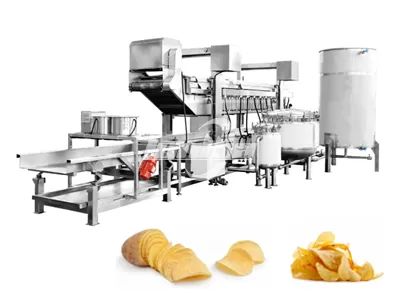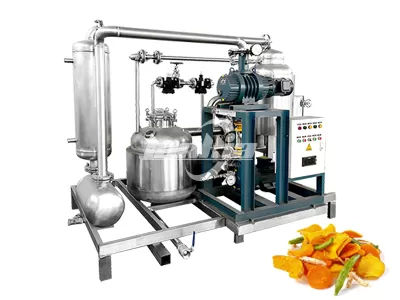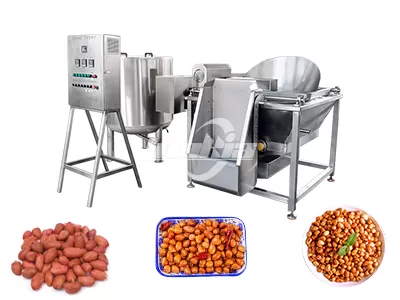
In the modern food processing industry, selecting a suitable peanut frying machine is a crucial step for many businesses to enhance production efficiency and stabilize product quality. Especially in large-scale production, the peanut frying machine price is often the primary consideration for customers. However, the factors truly influencing price extend far beyond the label's numerical value. This article systematically analyzes the price composition and actual value of peanut oil fryers to help you make a more informed purchasing decision.
Production Capacity and Configuration: Core Price Influencers
Production capacity is one of the primary factors determining the peanut frying machine price. Generally, larger output requires more complex internal structures, heating systems, and transmission designs, thereby increasing costs. Compared to simple small-scale equipment, high-capacity continuous machines not only maintain uninterrupted production but also reduce manual labor intensity.
Additionally, configuration variations significantly impact pricing. For example:
- Whether equipped with automatic feeding and discharge systems;
- Whether fitted with oil circulation filtration and automatic temperature control devices;
- Features like conveyor belt type and frequency conversion control;
These configurations directly influence operational efficiency, product consistency, and maintenance convenience. Therefore, customers should not judge equipment quality solely based on price.
Heating Method Impacts Peanut Frying Machine Price
Common heating methods for peanut fryers include electric heating and gas heating—key variables affecting peanut frying machine price. Different heating methods vary in energy consumption, installation complexity, and site requirements:
- Electric heating systems: Offer precise temperature control, clean operation, and smoke-free performance, suitable for processing scenarios demanding high temperature stability.
- Gas heating: Features a relatively lower initial investment, suitable for regions with high electricity costs or raw material processing facilities.
Selecting the heating method based on production environment and cost budget ensures equipment investment and subsequent operations align more effectively with actual requirements.
Automation Level: Added Value Justifying Higher Pricing
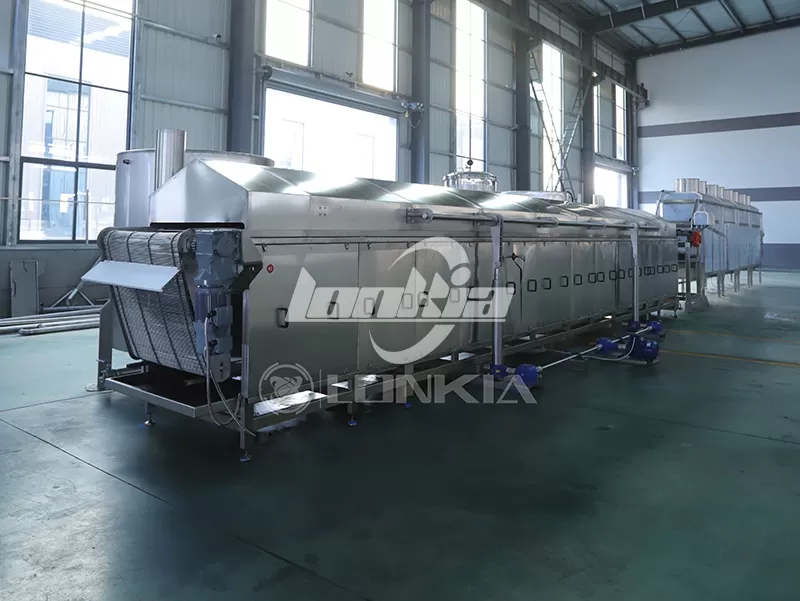
Modern peanut oil fryers increasingly incorporate automation, which indirectly influences price variations. For instance, premium models often feature:
- Automatic Temperature Control System: Monitors oil temperature in real-time and adjusts heating output automatically, ensuring consistent product color and texture.
- Oil-Water Separation Mechanism: Utilizes intelligent design to settle impurities in oil, effectively extending oil lifespan and reducing manual cleaning frequency.
- Automatic discharge and cleaning systems: Saving time and effort, ideal for high-volume production.
While these automated features increase equipment costs, they significantly reduce human error, save labor expenses, and enhance production stability from a long-term operational perspective.
Mechanical Materials and Durability
Stainless steel is the standard material for industrial fryers, with food-grade 304 stainless steel excelling in corrosion resistance, cleanability, and longevity. While equipment crafted from premium materials may carry a higher price tag than standard models, it offers distinct advantages in daily maintenance, ease of cleaning, and compliance with food safety standards.
Customization Requirements Impact Continuous Fryer Machine Price
Customer-specific customization requirements often influence the final peanut frying machine price. Examples include:
- Requirement for customized production line layout;
- Need for specific transmission or temperature control modules;
- Adoption of cleaning systems meeting special industry standards.
Such personalization typically increases equipment complexity while better aligning production efficiency and product consistency with client expectations.
Summary
When comparing quotes for peanut oil deep fryers from different suppliers, focusing solely on price figures is often insufficient. A true comparison should include:
- Core equipment configurations;
- Level of automation;
- Future maintenance and spare parts supply;
- Production efficiency and value per unit output.
For example, Lonkia offers multiple models and customized solutions. We can recommend the most suitable product based on your production volume and process requirements, while providing after-sales support. Reasonably configuring equipment not only makes your current procurement budget more transparent but also delivers greater value in future operations.