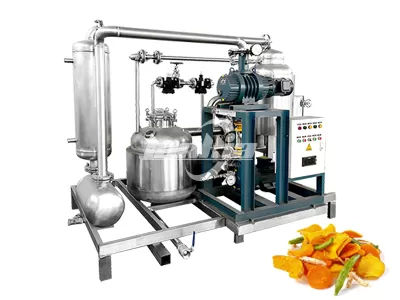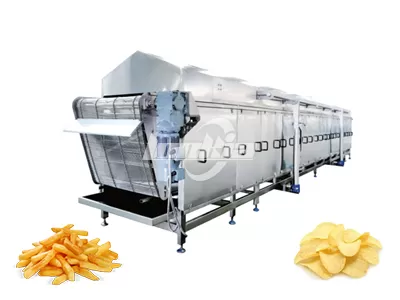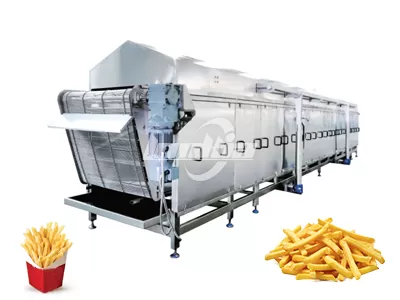
When selecting an industrial deep fryer, one of the most critical decisions is the heating method: electric, gas, or steam? Each heating method has its advantages and suitable applications. Understanding their differences helps you make the best choice for your business needs in terms of production capacity, efficiency, and cost.
Electric Industrial Deep Fryer: Stable Temperature Control + Easy Installation
Electric industrial deep fryers are popular in many food processing settings due to their simple installation and precise control. For users prioritizing temperature stability with minimal space and infrastructure requirements, electric fryers are an excellent choice.
Key Features:
- High Temperature Control Precision: Electric heating systems respond quickly, helping maintain consistent oil temperatures and reducing issues like excessive oil absorption or food charring.
- Simple Installation: Requires no gas lines or steam systems, making it suitable for processing environments with an adequate power supply.
- Easy Cleaning and Maintenance: Electric heating elements are typically easier to clean, reducing oil residue buildup.
However, electric potato fryer machines may require more robust power support for large-scale continuous production, potentially increasing initial facility retrofitting costs.
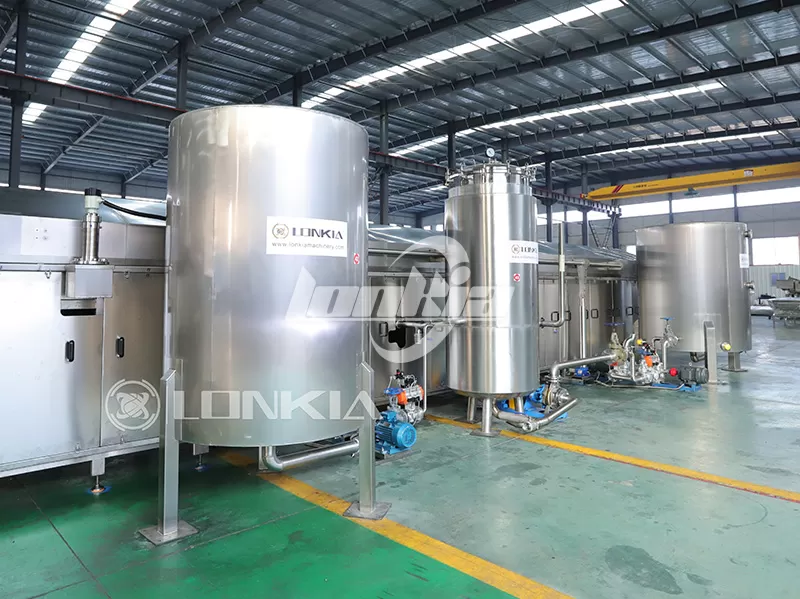
Gas Industrial Deep Fryer: Rapid Heating + High Efficiency
Compared to electric models, gas-fired industrial deep fryers are more prevalent in traditional factories and food production lines. This heating method uses natural gas or liquefied petroleum gas to directly heat the oil tank, rapidly raising oil temperatures to meet high-intensity, continuous production demands.
Advantages:
- Rapid Heating: Direct and powerful gas flame heating enables quick oil temperature recovery, boosting production efficiency;
- Suitable for High-Volume Production: Performs better in scenarios requiring frequent loading or larger oil capacities;
- Potential for Lower Operating Costs: May offer more advantageous long-term operating costs in regions with relatively low gas expenses.
Note: Gas continuous fryers impose higher infrastructure requirements on factories (e.g., gas connections, safety ventilation), potentially resulting in higher installation and compliance costs compared to electric models.
Steam Continuous Fryer: Stable and Reliable + Compatible with Existing Steam Systems
Steam-powered industrial fryers utilize a facility's existing steam piping network to heat the oil tank, serving as a common solution for certain food processing plants. Its advantages lie in compatibility with existing factory heat source systems and uniform heat distribution.
Suitable Scenarios:
- Existing Steam Supply: If the production environment already features a steam system, steam fryers can fully leverage existing resources.
- Uniform Heating: Steam heating maintains stable, consistent temperatures, enhancing product quality consistency for certain items.
However, steam fryers offer less flexibility than electric or gas models and are impractical for facilities without steam systems.
How to Determine the Best Heating Method for Your Needs?
When selecting an industrial deep fryer, consider the following factors:
Production Pace and Capacity Requirements
For high-frequency, continuous production, gas continuous fryers offer advantages due to rapid heating. If precise temperature control is prioritized, electric fryers are better suited to meet these demands.
Infrastructure and Operating Costs
Evaluate existing electrical systems, gas supply, and steam network availability. Variations in energy pricing and facility retrofitting costs directly impact long-term operational budgets.
Product Quality and Consistency
Temperature stability and even heat distribution determine product color and texture consistency. Electric and steam heating systems perform well in this regard.
Many food processing companies also consider features like automatic oil filtration, temperature monitoring, and PLC control systems when selecting continuous food fryers to enhance overall production efficiency and product quality.
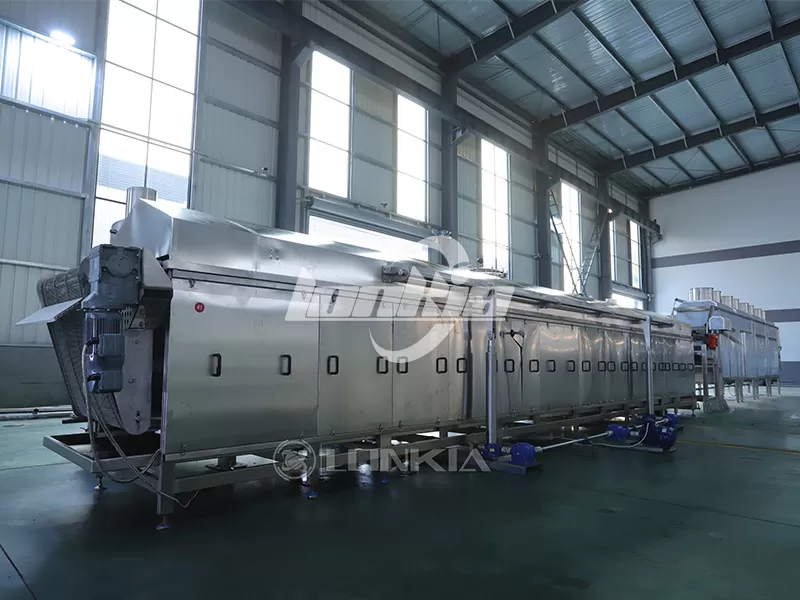
Lonkia's Recommendation: Matching Your Business with Optimal Solutions
As a professional continuous fryer manufacturer, Lonkia offers customized heating solutions tailored to your production volume, budget, and facility infrastructure. Whether you require electric, gas, or steam-heated frying machines, we provide comprehensive technical guidance and quotations to help you achieve efficient and robust production layouts.
Selecting the right heating method is a critical step in building an efficient frying production line. Contact us today for customized solutions and quotations to accelerate your food processing project launch, reduce costs, and ensure stable, high-efficiency operations. 📩