When purchasing a potato chips processing line, it is important not only to consider equipment price, production capacity, and product quality, but also to understand the installation and commissioning process, operator training, spare parts supply, and after-sales technical support. For food processing companies, comprehensive service arrangements can help ensure the equipment is brought online smoothly and minimize production interruptions caused by improper installation, operational errors, or delayed troubleshooting.
What Preparations Are Needed Before Installing a Potato Chips Processing Line?
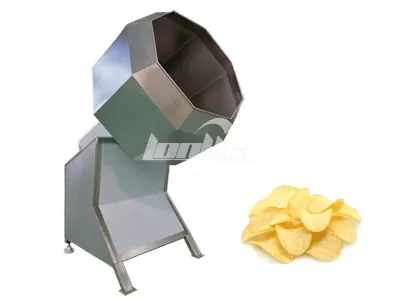
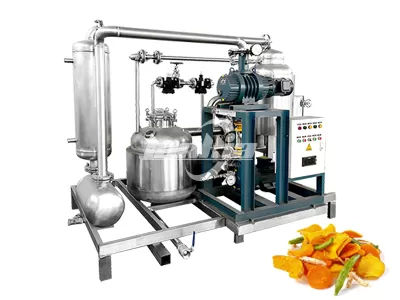
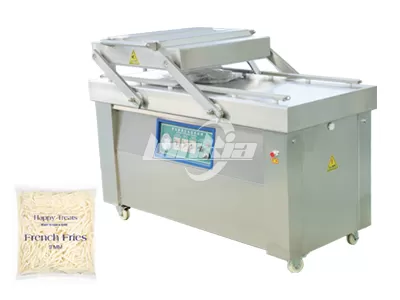
A fully automated potato chips processing line typically includes a potato washing and peeling machine, a slicer, pretreatment equipment, a dehydrator, a fryer, an oil-draining unit, a seasoning machine, and a packaging machine. The specific configuration should be determined based on product requirements and production processes.
1. Confirm the Factory Layout and Supporting Conditions
Before installation, verify the potato chips manufacturing plant dimensions, equipment arrangement, operational aisles, and maintenance space, and confirm the voltage, frequency, total power, heating method, and water supply and drainage conditions. Providing a floor plan of the factory in advance helps the supplier plan the equipment layout and reduces the need for adjustments once the equipment arrives on-site.
2. Check Connections Between Equipment
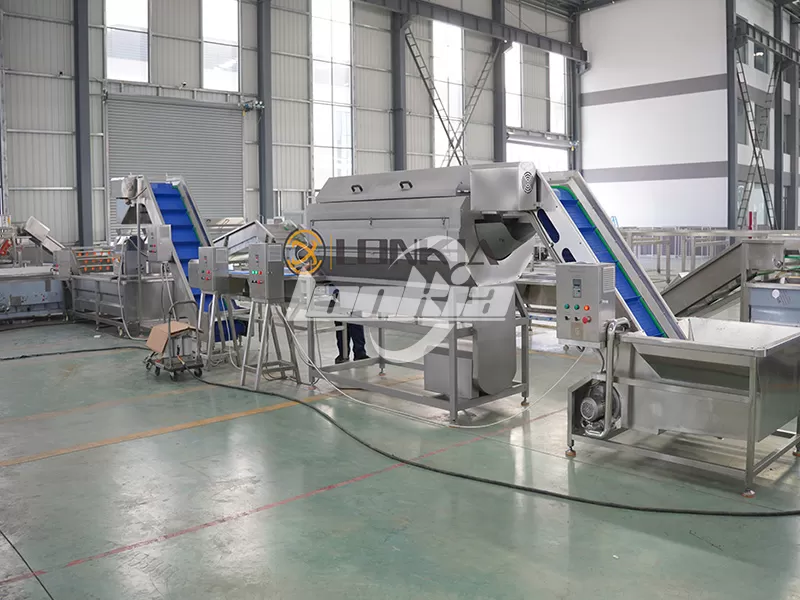
A potato chips manufacturing plant requires seamless coordination between each process step. The purchaser should confirm the conveying direction, equipment interfaces, control systems, and processing capacity in advance to avoid speed mismatches between the slicer, fryer, and packaging machine, which could affect the overall line efficiency.
Why Are Installation and Commissioning Important for Potato Chip Processing Equipment?
After the potato chips making machine is installed, operational testing must be conducted to verify that the mechanical structure, electrical systems, and processing parameters meet requirements.
1. Test Key Processing Functions
During commissioning, special attention should be paid to slice thickness, conveyor speed, frying temperature control, oil-draining efficiency, and seasoning uniformity. Additionally, inspect drive components, safety devices, and the operating control system to ensure all equipment functions properly.
2. Conduct a Trial Run of the Entire Line
It is recommended to conduct a trial run under the guidance of the supplier's technical staff to observe whether material conveyance is smooth, whether each process stage can operate continuously, and whether the quality of the finished product meets expectations. For automatic potato chips processing lines, equipment interlocking and emergency shutdown functions should also be tested, and parameters should be adjusted based on actual processing results.
What After-Sales Services Are Required for a Potato Chips Processing Production Line?
After the potato chips making machine is delivered and put into production, operator training, troubleshooting, and the supply of spare parts directly impact the subsequent user experience.
1. Operator Training and Technical Guidance
The supplier should provide operating manuals, maintenance instructions, or remote guidance as stipulated in the contract to help employees master basic operations such as equipment startup, parameter adjustment, daily cleaning, and shutdown inspections. Clear operating procedures help reduce operational errors and improve production management efficiency.
2. Supply of Wear Parts and Troubleshooting
Components such as slicing blades, conveyor belts, and seals require regular inspection based on usage conditions. Before purchasing, you should understand the model numbers, lead times, and replacement procedures for commonly used spare parts, while also confirming after-sales contact information, warranty periods, and fault response mechanisms.
LONKIA can assist in coordinating production line configurations, installation preparations, and equipment maintenance requirements based on the customer's product specifications and factory conditions, making the procurement plan clearer.
How to Choose a Reliable Potato Chips Production Line Supplier?
When comparing suppliers, in addition to automatic potato chips making machine prices, you should also focus on verifying the following:
- Technical Documentation: Does the supplier provide a complete equipment list, technical specifications, and layout plans?
- Installation Support: Is the scope of services for installation guidance, commissioning, and trial operation clearly defined?
- Operator Training: Are the necessary operating instructions and maintenance manuals provided?
- Spare Parts Supply: Can the supplier provide commonly used wear-and-tear parts and related technical information?
- Warranty Terms: Are the warranty period, scope of liability, and after-sales service methods clearly specified?
It is recommended to include equipment configuration, scope of delivery, acceptance requirements, and after-sales responsibilities in the purchase contract to reduce future communication costs.
Summary
To obtain more accurate configuration recommendations and quotes, buyers should prepare information in advance, such as target production capacity, potato chip specifications, expected product types, factory size, and local electrical parameters. If a fully automated potato chips processing line is required, it should also be specified whether seasoning, cooling, and packaging equipment are included.
Based on these requirements, LONKIA can further discuss equipment configurations and technical specifications to help customers evaluate the production line's installation conditions, operational requirements, and future maintenance arrangements.
When selecting a potato chip processing production line, it is important not only to consider whether the equipment can meet current production needs but also to confirm that installation, commissioning, and after-sales service are clearly defined and reliable. Planning ahead helps shorten the time required to prepare for production and lays the foundation for the stable operation of the production line.